5 Steps to Actually Achieve your Goals This Year

5 Steps to Actually Achieve your Goals This Year
5 Most Important Steps to Achieve Your Goals

All to often years disappear before our eyes, and nothing much changes, most people start the year with some fly away goals of becoming better and braver and nicer and more loving….blah blah blah…..but I know the majority of creative people have hopes and dreams of becoming more successful in business and developing their creative side beyond their current level, so why is it that years drift by without any real changes?

Well there is one key factor that keeps my business evolving and moving forward year in year out and that is setting and implementing actionable goals. There hasn’t ever been a time in my life that I haven’t set New Years Resolutions and Goals.  I hold them fully responsible for my progress over the years and am so grateful for the quiet period between Christmas and New Year where all my targets are set in stone.
 

Here is a quick guide to help you make the transformations you need in your business for this year.

1)    Get Your Special Book:  Go and treat yourself to a really special note book and pen.  This is the start of a big journey so make sure it’s beautiful.

2)    Get a cup of tea and sit down: Find a clear gap in your diary were you can block at least 2 hrs of your time out to focus on your goals, and what you want to achieve this year.

3)    Sections to Cover: Consider each of these sections and what you would like to change from your current situation. Write down the heading at the top of each page and below write the things you would like to achieve.

Personal

  • Health and Fitness
  • Relationships
  • Finances
  • Hobbies
  • Vacations
  • Home

Business

  • Finances
  • Direction/Focus
  • Workload/Managing Time
  • New Projects
  • Personal Work
  • Upgrades Needed

4)    Actionable steps: Once you have brainstormed all the major changes you would like to make for this coming year, you then need to break these up into actionable goals.  Start a new page for each goal, put the goal at the top of the page and then write each actionable step down that you need to make.  Decide on a completion date and write this along side your goal.

4)    Reward Day: Always reward yourself for achieving targets.  For each big goal set, chose a suitable reward for completion day and note this next to the target goal.  I always like to include a very big reward if I tick off 100% of my goals for the year e.g a holiday somewhere hot!

5)    Honour your word and believe its possible:  This is a big part, now that you have all your targets and goals listed and a date set for completion along with the amazing reward you are going to get once complete, now is the time to take ACTION.  Step by step tick them off.  At the start of every month look through your special book and decide what needs completing, and schedule it in your diary.

This is without a doubt the most important thing I do for my business every year and is how I achieve the flow of progression.  Set goals every year, be consistent with your actions and you will soon be rewarded with magnificent changes to both your personal and business life!

Good Luck and remember to email me with all your successes!
How to Get Behind the Scenes at Major Competitions

How to Get Behind the Scenes at Major Competitions

how to get behind the scenes at major competitions

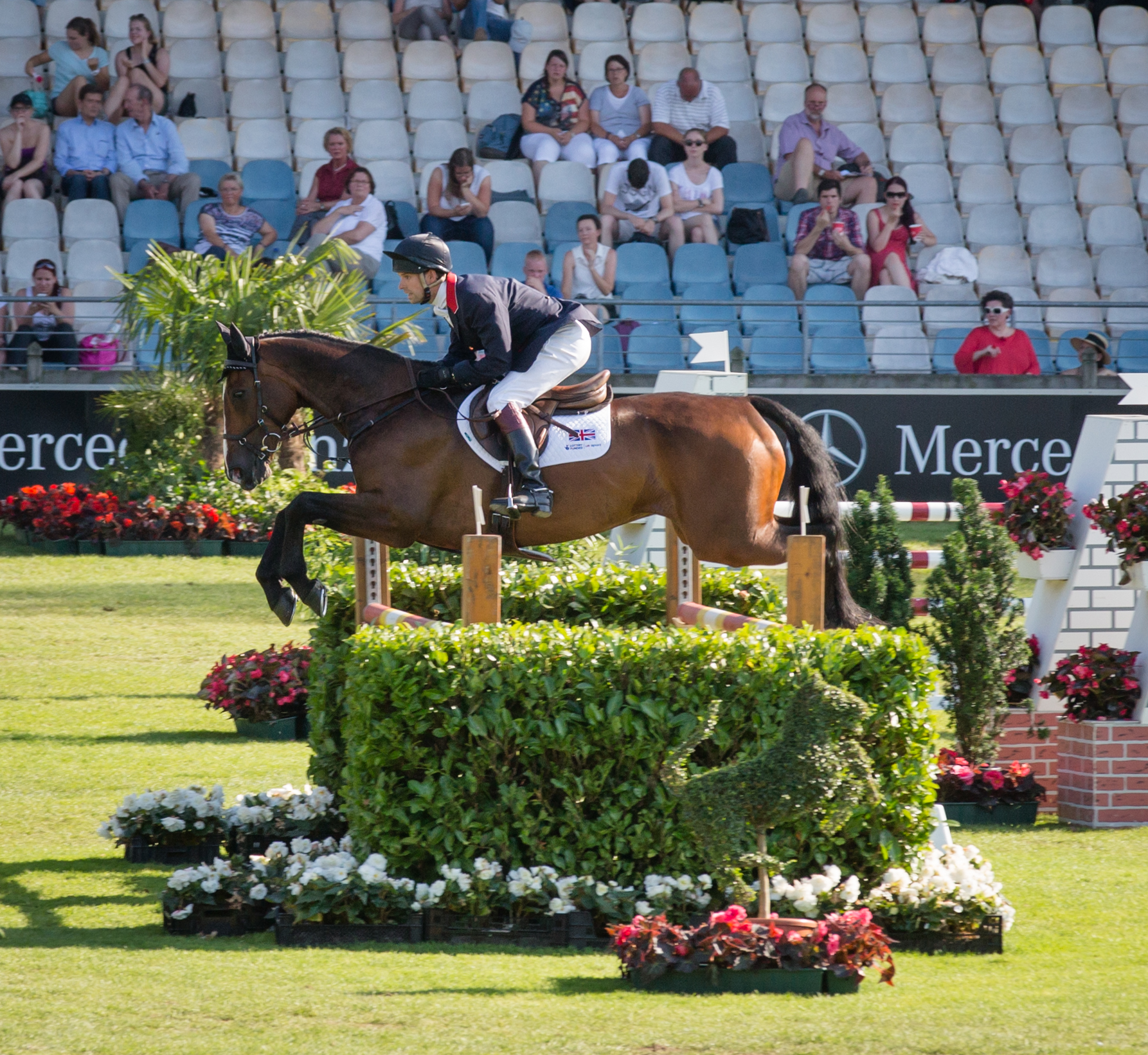
If you’re a horse lover, the chances are that you’ve watched at least a little bit of top-level competition. Maybe you’ve tuned into Badminton or Burghley’s thrills-and-spills cross-country day; perhaps you’ve ushered in Christmas with Olympia’s showjumping spectacle. It may be that you’re a keen follower of equestrian sport, with a discipline of choice and a working knowledge of its major players and the rules of the game.

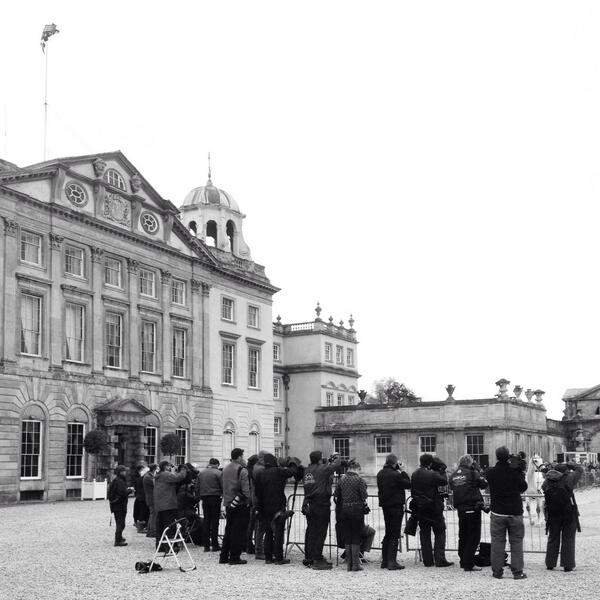
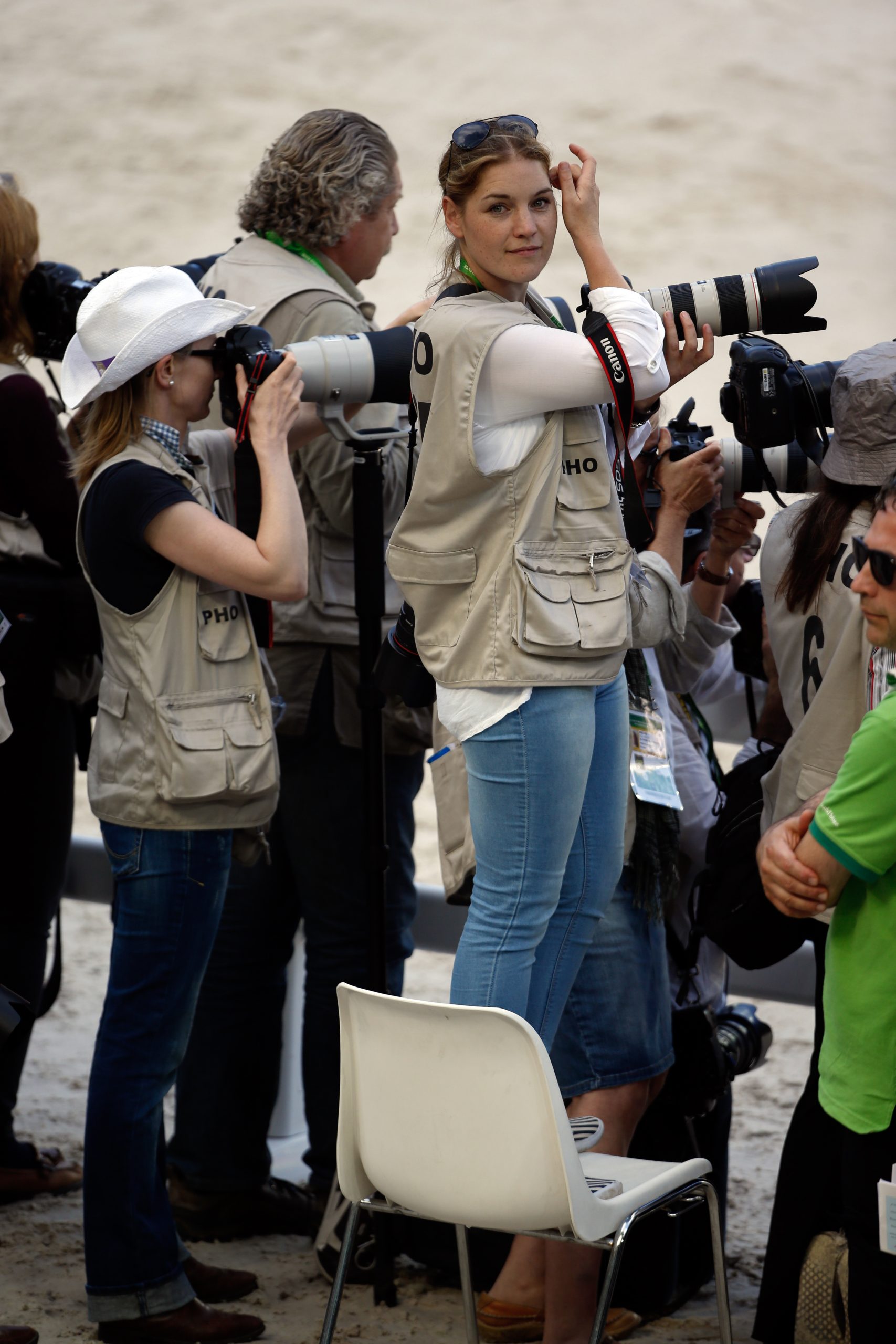
Regardless of which camp you fall in, you may have wondered what it takes to be one of the chosen few, bedecked in tabards and allowed to get up-close-and-personal with the action. It might be something you’d like to try for yourself, or maybe you’d even like to make competition photography the main part of your business. The great news? It’s not as tough to get in as you might think.

All the major competitions – the sort that you’d buy tickets for – will require you to attain media accreditation before you start snapping. This means you’ll need to affiliate yourself with a publication – either a magazine or a website – that will publish your photos. The biggest competitions are inundated with applications and tend to be quite picky about who they allow in, while slightly smaller internationals tend to be more lenient.

Don’t have any magazine connections? No problem. First of all, you need to start creating a section of your portfolio dedicated to competition photography. You can do this by accompanying a friend to a show and taking photos of them competing, but if your aspirations are at the top-level, you’d be best served aiming higher.

Many competitions will allow spectators to bring their cameras, although indoor shows tend to be more particular about this. Instead, aim for outside shows – county shows with big showjumping classes, dressage festivals, and 3* and 4* eventing competitions will all afford you plenty of opportunity to take photos, network, and learn more about your sport of choice.

Aim to take a mix of photos – action shots, candids, and the emotional moments before and after a rider’s round. As an unaccredited spectator, you won’t be able to sell these images, but you can post them on social media and in your portfolio. Want inspiration? Check out some of the best in the business: Jon Stroud, Libby Law, and Nico Morgan have all made careers out of editorial equestrian sport photography.

Once you’ve attended a few competitions and started to get your eye in – and a killer portfolio to boot – you can start to target publications. If you have a specific competition in mind, you’ll need to plan well in advance – some accreditations close weeks before the show. This information can generally be found on the show’s website, under the media
section.

Now, start to make a list of potential collaborations. Your local area likely has a regional equestrian magazine, and they’ll probably want coverage of a major competition, particularly if it takes place in your local area or if local riders are likely to compete in it. If you have access to an entry list, use this to strengthen your pitch.

Email the editor of your chosen publication in the first instance. This information can usually be found in the front pages, or via Google or LinkedIn. If all else fails, find the magazine or editor on social media and send them a private message, asking for the best email address to send a pitch to.

Your pitch should then be succinct, confident, and to the point. Introduce yourself briefly, outlining your experience and enthusiasm. Then, explain that you’d like to work with the publication and why – it helps to have read an issue or two here, so you can mention what you love about it. Then, explain that you’re aiming to make competition photography a more significant part of your business in 2020, and ask them if they would be interested in adding you to their freelance database.

You might not get the dream job straight away – there’s usually some competition for the Badminton and Burghley gigs. But many publications are surprisingly short of photographers to cover the smaller internationals. In doing so, you’ll gain experience and trust, which will consistently get you closer to the main stage.


One important thing, though: don’t work for free. It’s a surefire way to get yourself a bad reputation with other photographers, whose own rates are driven down by a proliferation of new faces willing to work for nothing. Set yourself a day rate and open it up to negotiation if you want, but make sure you’re getting something out of it. Otherwise, you could lose opportunities before you’ve even started. A publication may promise you the world, but if they can’t offer you payment, they’re feeding you empty promises anyway.

There are other ways to get yourself behind a camera at a competition. If you have a contact who rides at the top level, collaborate with them to produce behind-the-scenes imagery, which offers a fresh new insight into the life of an international rider. Or, contact the official show photographer and ask if they have any spaces open on their team. Most official togs operate a busy fleet of second photographers, especially at events, where multiple fences will need to be covered.

Patience and passion are key when it comes to making a name for yourself in this niche circuit. The hours are long, the weather doesn’t always play ball, and your days will be unpredictable – but it’s also exciting, emotional, and completely addictive. And just like portrait photography, it’s all about creating and capturing relationships.

Have you dabbled in competition photography?